
Sheepskin lining in riding boots

Nature’s high-tech material - for comfort, balance and feel
Sheepskin is often associated with warmth. But in reality, it does something much more interesting than that. Inside a riding boot, sheepskin creates a completely different environment - one that feels softer, drier and more balanced. It doesn’t simply insulate. It regulates.
One of the most common concerns is heat. Many riders assume that sheepskin will make the boots too warm, especially during summer. But that’s not quite how it works.
Sheepskin allows air to circulate and helps move moisture away from the foot. Instead of trapping heat, it balances it. That’s why it’s used not only in colder climates, but also in warm ones - you’ll even see people wearing sheepskin boots like UGGs on the beach in summer, and sheepskin seat covers are commonly used in hot regions to reduce heat buildup rather than increase it.
Of course, riding in 30°C / 90°F heat will always feel warm, no matter what you wear. But what sheepskin does is make that heat feel more manageable. Less humid, less heavy, and more stable over time.
Beyond temperature, the biggest difference is how it feels.
The wool fibers create a natural cushioning effect, gently supporting the foot while reducing pressure points and friction. At the same time, the leather side of the material maintains the structure of the boot, so you don’t lose support.
How sheepskin works on the foot
What makes sheepskin different is how it interacts with your body on a more detailed level. Each wool fiber has a natural crimped structure that traps air, creating a soft, insulating layer. At the same time, the fibers can absorb and release moisture without feeling wet, which helps maintain a more stable microclimate inside the boot.
From a comfort perspective, this matters more than it might seem.
When your foot is exposed to constant pressure - from the stirrup, the boot structure, long hours in the saddle and many years as a rider - small points of stress can build up over time. This is often where discomfort begins, especially for riders with sensitive feet or conditions such as bunions (hallux valgus), heel spurs or corns.
Sheepskin helps reduce this by distributing pressure more evenly across the foot, rather than concentrating it in specific areas. The result is less localized strain, improved comfort, and a feeling that the boot supports the foot rather than pressing against it.
It also reduces friction, which can help prevent irritation during longer rides or extended time in the stable. This is often where riders start to notice the real difference.
This combination makes sheepskin especially appreciated by riders who spend many hours in their boots - or simply want a softer, more forgiving feel from the start.
Instead of working against your foot, the boot begins to work with it. Softly supporting, not restricting - almost like walking on a cloud.
Another advantage is how the material adapts over time.
Sheepskin naturally compresses slightly with use, becoming more compact while still maintaining its softness. This allows the boot to adjust to small variations - whether that’s thicker socks, long days, or natural changes in your body.
You can also choose how much of this effect you want. Some riders prefer full sheepskin lining for maximum comfort, while others choose it only in the foot part to keep a lighter feel while still benefiting from the softness where it matters most.
Despite its soft feel, sheepskin is surprisingly low-maintenance. Because it helps manage moisture, it tends to stay fresher than many other linings. In most cases, simply letting your boots dry properly between rides is enough.
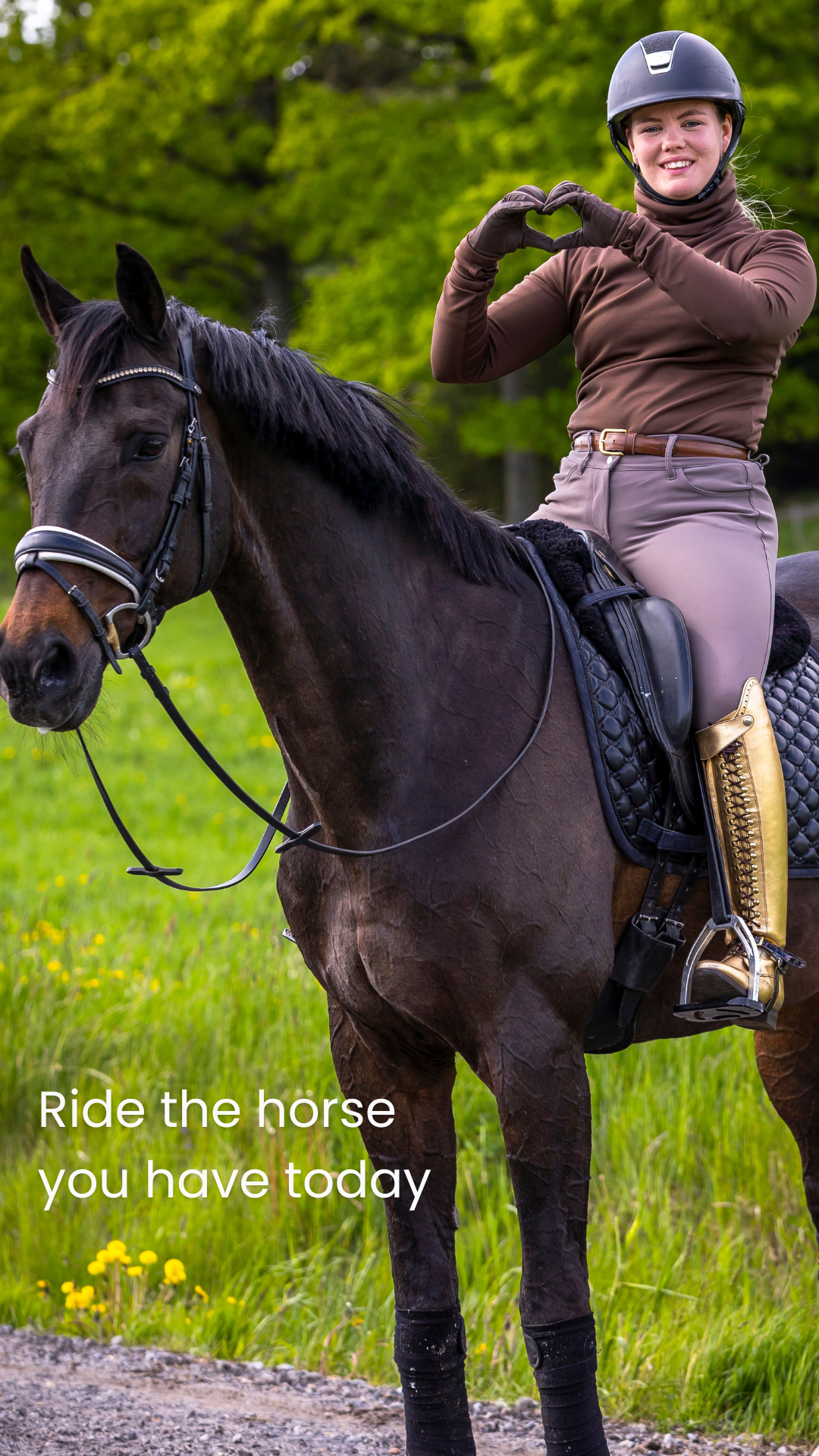
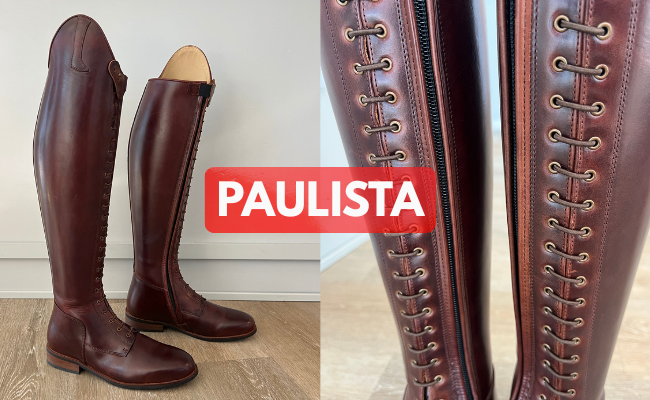
It’s also why we’ve chosen to use sheepskin lining in our Paulista boots - designed for riders who spend long days in the saddle and want comfort without overthinking it.
What makes sheepskin stand out is that it doesn’t force your foot to adapt to the boot.
It adapts to you.
Long before modern performance materials became a trend, nature had already solved the problem. Sheepskin is one of the clearest examples of that - combining temperature regulation, breathability, flexibility and comfort in a way that still feels difficult to replicate.
And once you’ve experienced it, it’s hard to go back.
FAQ - Sheepskin lining in riding boots
Will my feet get too warm in summer?
This is a common concern, but rarely how it feels in practice.
Sheepskin regulates temperature and moves moisture away from the foot, which often makes it feel less humid than traditional calf leather lining. That said, riding in 30°C /90°F heat will always feel warm. Sheepskin simply makes it more comfortable.
What is the difference between sheepskin and calf leather lining?
Calf leather lining gives a smooth, close and more structured feel.
Sheepskin adds a softer, more cushioned experience. It reduces pressure and friction while helping regulate temperature and moisture. It’s not about better or worse - but about feel. Many riders prefer sheepskin for everyday comfort.
Is sheepskin good for sensitive feet?
Very.
It can be especially beneficial if you have bunions (hallux valgus), heel spurs, corns, or generally sensitive feet. The material helps distribute pressure more evenly and reduce localized stress.
In many ways, it feels like your foot is being gently supported rather than compressed — almost like walking on a cloud.
Will the boots feel bigger with sheepskin?
Not exactly — but they may feel different.
Sheepskin compresses over time, allowing the boot to adapt slightly to your foot. The result is usually a more flexible and forgiving fit.
Should I choose full lining or only in the foot?
It depends on what you prefer.
Full lining gives a more enveloping, soft feel throughout the boot, while sheepskin in the foot offers comfort where pressure is highest, with a lighter overall feel.
Is it suitable for everyday riding?
Yes — especially.
Many riders appreciate sheepskin most during long days, as it helps manage moisture, reduce pressure and maintain comfort over time.
Does it get sweaty or start to smell?
Usually less than many other linings.
Because sheepskin breathes and manages moisture, it creates a drier environment — which can help reduce odor.
How do you clean sheepskin lining?
It’s low-maintenance.
Most of the time, simply letting the boots dry properly between rides is enough. If needed, you can gently wipe the inside with a slightly damp cloth. Avoid strong detergents.
Have you yet discovered our model Paulista where we’ve chosen to use sheepskin lining - designed for riders who spend long days in the saddle and want comfort without overthinking it.
✨ For riders who live in their boots.